
ActoBiotics®: bacteria make your medicine

Throughout history lactic acid bacteria have been used in the production of food and drinks such as cheese, yoghurt, beer and wine. Today, a new application for these food grade microbes can be found in ActoBiotics®, a novel approach to medical treatment. ActoBiotics® is based on using genetically engineered Lactococcus lactis as biofactories and deliverers […]
Fish-oil from micro-algae to increase sustainability
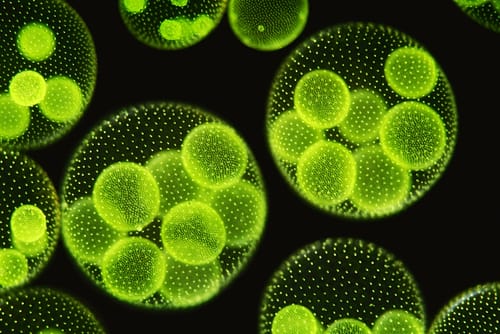
Autotrophic micro-algae are an interesting alternative to fish oil as a source for long chain omega-3 fatty acids (EPA and DHA). The advantages of such ‘autotrophic omega-3 producing micro-algae’ as compared to fish oil, are: EPA and DHA are present in the form of polar lipids, which gives a possible advantage to oxidative stability and […]
Chemicals and bacteria coat plastic debris in the sea
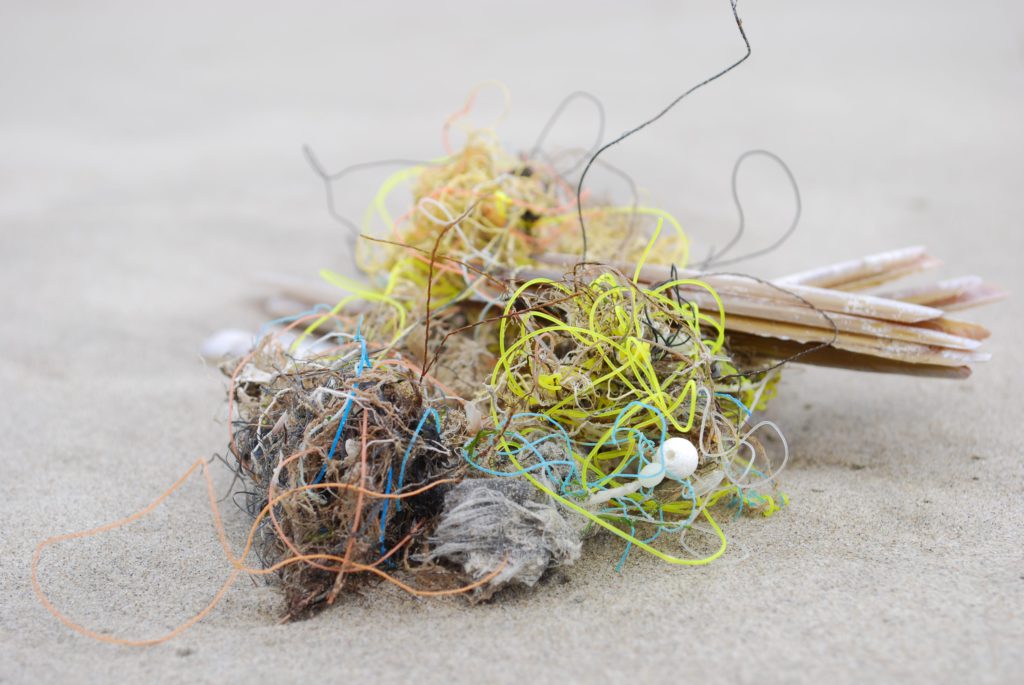
The pollution arising from plastic refuse at sea is not only a question of the plastic itself but also of the bacteria and chemicals that cover the plastic, according to researchers from the Institute for Agriculture and Fisheries Research (ILVO) in Ostend, Belgium. On samples of plastic waste, ILVO has found over 250 kinds of chemicals and a specific community of bacteria, some of which can cause disease. Animals such as shrimp and sprat swallow microscopic pieces of plastic and are thus exposed to toxic substances and bacteria. The entry of these chemicals and the resulting diseases could effect the entire marine food chain.
Pattern-creating bacteria designed by KU Leuven students

After successfully competing in four previous editions, KU Leuven once again joins the iGEM (international Genetically Engineered Machine) – the most prestigious international students’ synthetic biology competition. The iGEM competition brings together interdisciplinary undergraduate student teams from all over the world in an effort to create micro‐organisms that can perform novel tasks. One of those […]
Turning Brussels’ wastewater into bioplastics

Wastewater treatment company, Aquiris (subsidiary of Veolia Water), is running a pilot project at its Brussels-North Wastewater Treatment Plant. The project aims to use organic compounds from wastewater to produce bioplastics. Making biodegradable plastics from sewage Although it may sound surprising, wastewater contains all of the building blocks of biopolymers, thus it can be used […]
Disposable bioreactors: a cost-saving innovation

Companies who manufacture biotechnology products such as monoclonal antibodies, therapeutic proteins and vaccines, produce a wide range of products in small amounts. They need to switch quickly between different production processes. The standard Inox containers are no longer the best fit for these novel high-tech needs. Single-use bioreactors may be the ideal solution: these “bag-in-box” […]
Human milk from the incubator
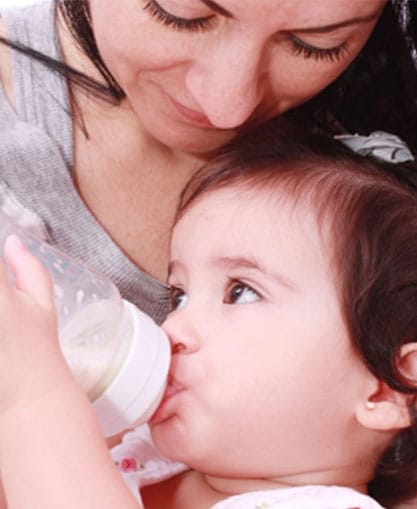
Breastfeeding is beneficial for a newborn and is strongly advised to future moms. Still, for various reasons, breastfeeding is sometimes impossible, causing the baby to feed on infant formula. The composition of infant formula is not the same as original breast milk. One of the differences lies in the structure of certain oligosaccharides, which are […]
Fermenting the best chocolate taste

The production of Belgian national pride products, beer and chocolate, is a natural biotechnological process based on fermentation. Actually, there would be no chocolate flavor in cocoa beans (Theobroma cacao) without the fermentation by Saccharomyces cerevisiae – the same yeast that produces beer. Chocolate flavor is an extremely complex mixture of more than 550 compounds […]
Dr Armpit to the rescue!

Chris Callewaert received a Master’s degree in Bioengineering at Ghent University in 2010. In February this year he successfully finished his PhD about body odor, and more specifically, that of smelly armpits. He tries to solve this problem in a unique way: by using bacterial transplantations. We spoke with this ambitious young man. Tell me […]
Bio-batteries coming soon

Recently, scientists discovered an entirely new microbe that is capable of transferring electrical current. This electrified family member of the Desulfobaceae, while waiting for its scientific name, is aptly named “cable bacteria”. Danish researchers observed the phenomenon in lab experiments with marine sediments from the Baltic Sea. A study group from the VIB (Flemish Institute […]