Newton Biocapital invests in Flemish start-up DeuterOncology
Brussels, Belgium, 24 February 2021 – Newton Biocapital I (“Newton Biocapital”), a life sciences investment fund active in Europe and Japan focused on chronic diseases, has announced investment in DeuterOncology. Newton Biocapital’s second investment in Flanders, DeuterOncology is a preclinical-stage biotech company focusing on the development of a first-in-class dual MET and RAS pathway inhibitor for targeted cancer therapies.
Onco-immunology Company Pan Cancer T Launched as Spin-off from Erasmus Medical Center
Dutch biotech company developing first-in-class T-cell Receptor (TCR) T-cell therapies. Seed investment by Swanbridge Capital and Van Herk Ventures with support from Health~Holland
Prestigious prize for Belgian breakthrough in brain research

Prof. Dr. Pierre Vanderhaeghen from VIB-KU Leuven has been awarded the Generet Prize for Rare Diseases for his research on human brain development. Vanderhaegen’s team have developed an astonishing model for studying rare neurological disorders by successfully integrating human neurons into a mouse brain. The prestigious prize, managed by the King Baudouin Foundation and presented to Vanderhaeghen by HRH Princess Astrid, includes EUR 1 million in funding for further studies.
Decades-old discoveries cause paradigm shifts in modern medicine
Complete paradigm shifts in medicine are rare, but there have nevertheless been several major examples in the past hundred years. Treatments and approaches that seemed set in stone one decade can easily seem silly the next, as new information about the disease or underlying biology comes to light. Hindsight grants us clarity, but sometimes the factors that lead us down a particular treatment path can be as arbitrary as a feud between colleagues. Might there be paradigm shifts looming in oncology, neurology and more, triggered by a return to previous treatments?
An insightful solution to eye injections

Developing new therapies is sometimes not enough: for retinal indications, accurate delivery is key to making a drug work. Lowering the patient burden by minimizing injections is also an important factor to consider. Oxular, an Oxford-based biotech and V-Bio Ventures portfolio company, has developed a technology platform to address the unmet need for less frequent dosing and better drug delivery in retinal diseases.
Vascular dysfunction meets immune suppression
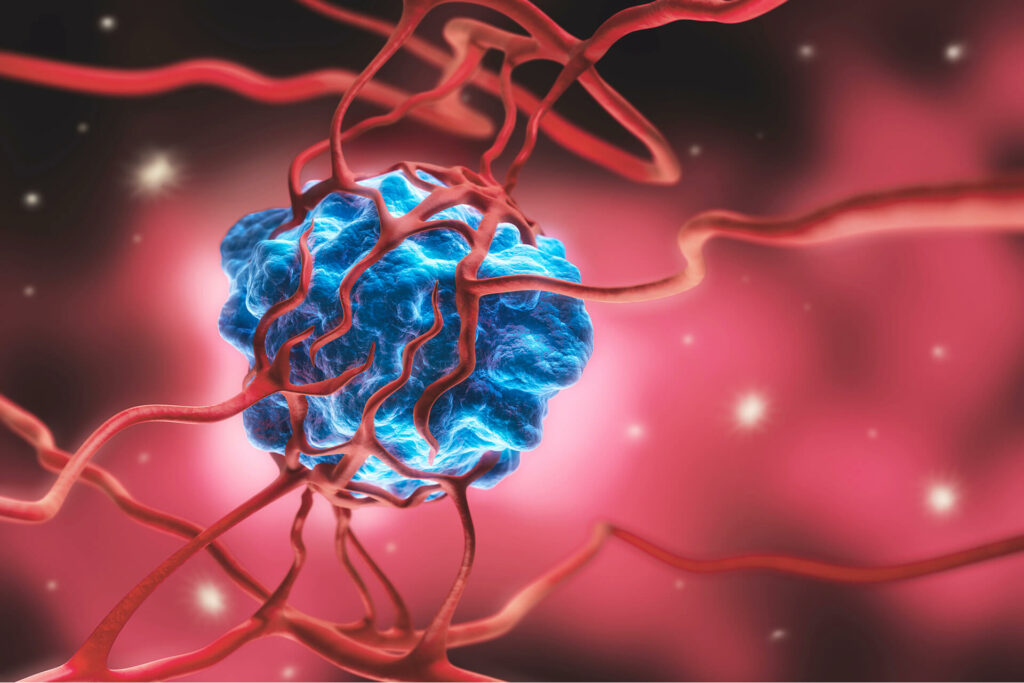
Tumors create complex microenvironments where they suppress the normal functioning of the immune system. Blood vessels and macrophages are an important part of this environment. A new VIB-KU Leuven startup called Montis Biosciences is working to enhance anti-tumor immunity by investigating interactions between perivascular macrophages and the tumor vasculature.
Get to know Lewis Cantley: winner of the 2020 Dr. Paul Janssen Award
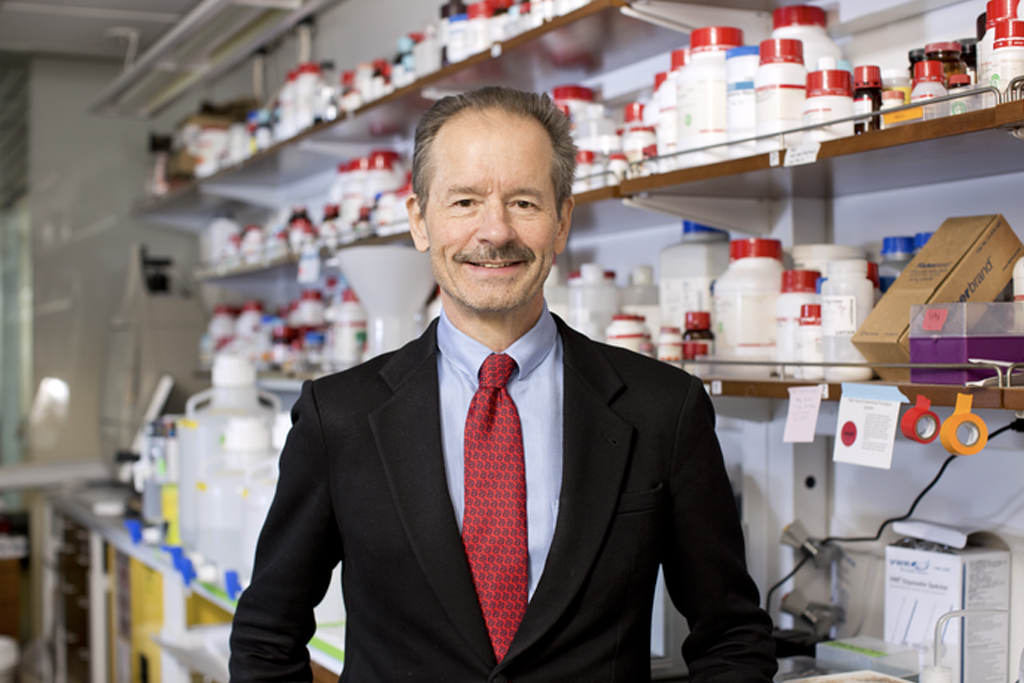
Every year, the Dr. Paul Janssen Award for Biomedical Research is granted to a scientist who embodies the eponymous man’s dedication to his patients and unfailing curiosity and passion for scientific progress. The 2020 winner of this prestigious award is Dr. Lewis Cantley, who discovered the family of PI3K enzymes, thereby increasing our understanding of a wide range of diseases including cancer and diabetes. Nearly 30 years on from this seminal discovery, Dr. Cantley’s research has resulted in more precise cancer therapies that have saved patient lives, making him a true champion of science.
Can Darwin’s theory explain why we get sick?
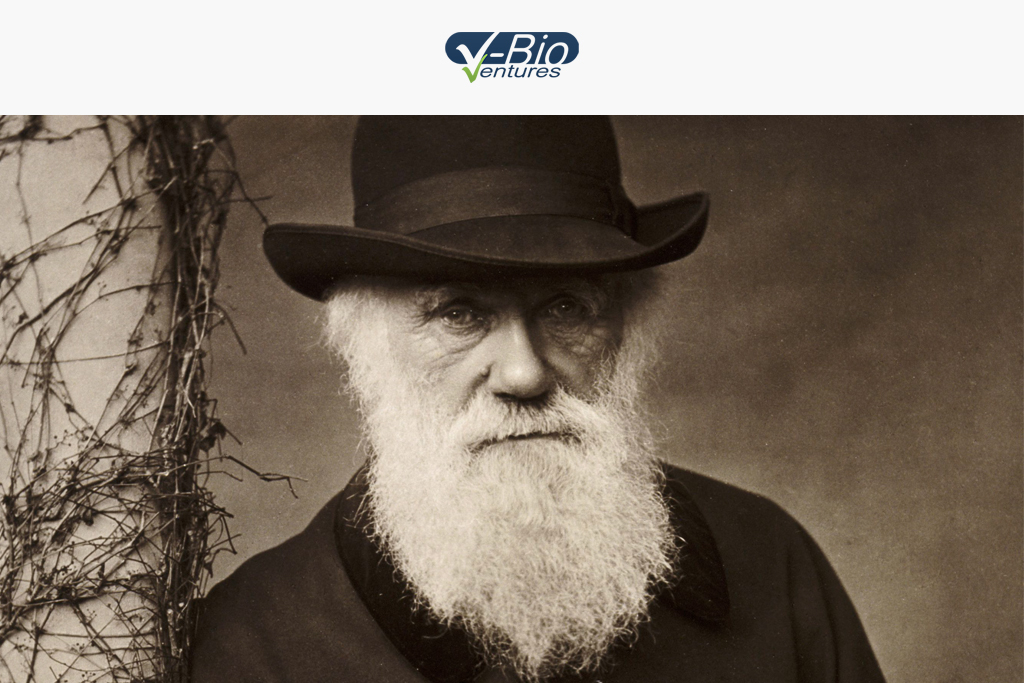
While physicians care for their individual patients and are interested in the factors contributing to the individual’s condition, evolutionary biologists investigate the cause of the biological phenomenon, trying to understand for example why a certain disease has developed in a particular species such as our own Homo sapiens. By combining the view of physicians with the view of evolutionary biologists, the field of evolutionary medicine has the potential to improve our understanding of certain diseases and how to prevent them.
A novel approach to neurology could bring relief to people in pain

In August 2020, V-Bio Ventures announced their investment in Biodol Therapeutics, a French start-up looking to make a difference to people suffering from chronic pain. The company is developing a drug to treat neuropathic pain by addressing the interplay between nerves and the immune system. In a billion-dollar market dominated by ineffective and dangerous painkillers, their unique approach could reduce the suffering of millions.
Belgian stem cell company GST bought by German pharmaceutical giant

The German pharmaceutical giant Boehringer Ingelheim has acquired GST, a stem cell specialist based in Belgium. A part of the Anacura Group, GST’s main focus is in animal health, with its main product being a stem cell therapy for injured horses. Despite the acquisition, the company will remain in its labs near Ghent, keeping its research and production rooted in Flemish soil.
Biodol Therapeutics receives EUR 4.5 million to progress its novel pain medication in a Series A led by V-Bio Ventures
V-Bio Ventures, a leading Belgian life sciences VC, invests in Biodol Therapeutics, a French biotech specialized in next-generation chronic pain treatments.
Biodol Therapeutics receives EUR 4.5 million to develop novel FLT3 inhibitors for the treatment of chronic and neuropathic pain, aiming to reach the clinic by early 2023.
Newton Biocapital I invests in J-Pharma Co., Ltd. in Japan focusing on drug development targeting L-type Amino Acid Transporter 1 (LAT1) for cancer and autoimmune diseases
Brussels, Belgium / Tokyo, Japan – 27 August 2020 – Newton Biocapital I (“Newton”), an investment company in life sciences, focusing on the treatment and prevention of chronic diseases, with activities in Europe and Japan, has announced its second investment in Japan. Newton invested JPY 480 million (EUR 4 million) – split in two tranches – in J-Pharma Co., Ltd. (“J-Pharma”) as part of a total Series D round of JPY 1.746 billion (EUR 14.55 million) as of July 30, 2020. Newton’s investment in J-Pharma was also its first new investment after it has closed its fund raising at EUR 114 million.
The opioid epidemic: solutions to a painful problem
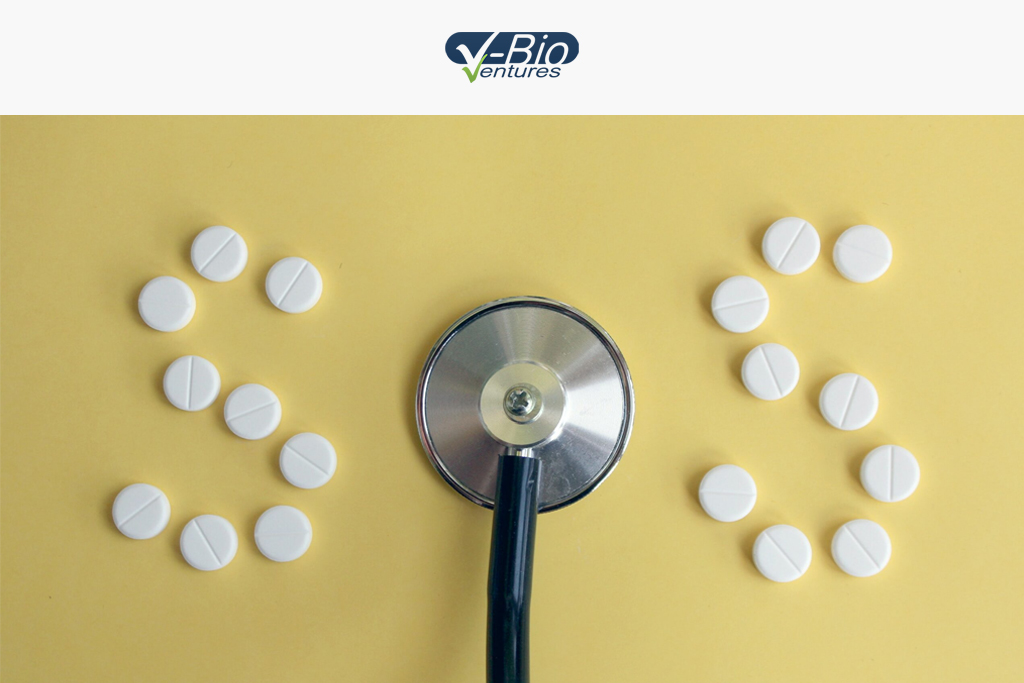
Opioid misuse is a public health crisis that has resulted in debilitation, deaths, and significant social and economic impact. The epidemic has been fueled by widespread abuse of prescription opioids and a dramatic increase in the availability of illicit opioids such as heroin. In this article, we examine some steps to overcoming this issue and improving the way we treat pain.
Colorectal cancer discovery raises hope for microbiome treatment
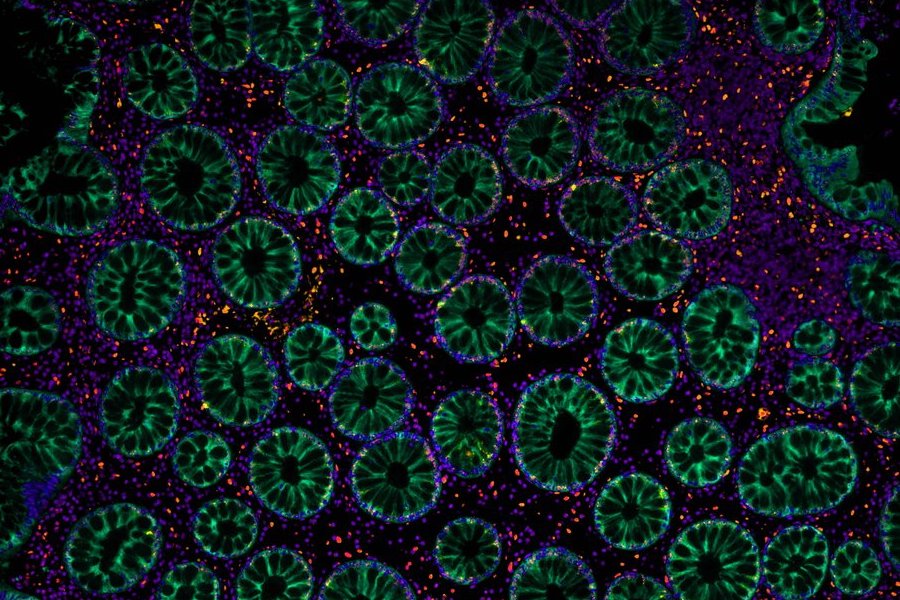
A new mechanism causing colorectal cancer has been discovered by researchers from VIB and Ghent University. A specific protein was found to affect the integrity of the intestinal wall, allowing infiltrating bacteria to cause inflammation that drives cancer progression. Promisingly, the scientists also demonstrated that manipulating the immune system or microbiome can prevent this chain event, findings that may lead to new treatments for colorectal cancer.
How changing diets gave rise to the world’s deadliest diseases

In a recent article, we discussed how the most prescribed drugs are usually indicated for common noncommunicable diseases. These include chronic conditions like diabetes, heart disease, GERD and mental health issues. Regarding treatment innovation, these prevalent diseases are often underserved when compared to less common, but more profitable, orphan diseases. In this article, we look at some of the underlying factors causing these noncommunicable diseases and what could be done to prevent them.