
University Hospital Ghent and VIB are testing medication to treat COVID-19-associated respiratory illness
University Hospital Ghent and VIB are assessing a drug called Leukine® to treat patients with respiratory illness associated with COVID-19. Major medical centers in Germany and Italy are considering joining the study. The study will evaluate the effect of Leukine® on lung function and patient outcomes.
ElmediX wants to stop coronavirus by heating patients in a controlled manner
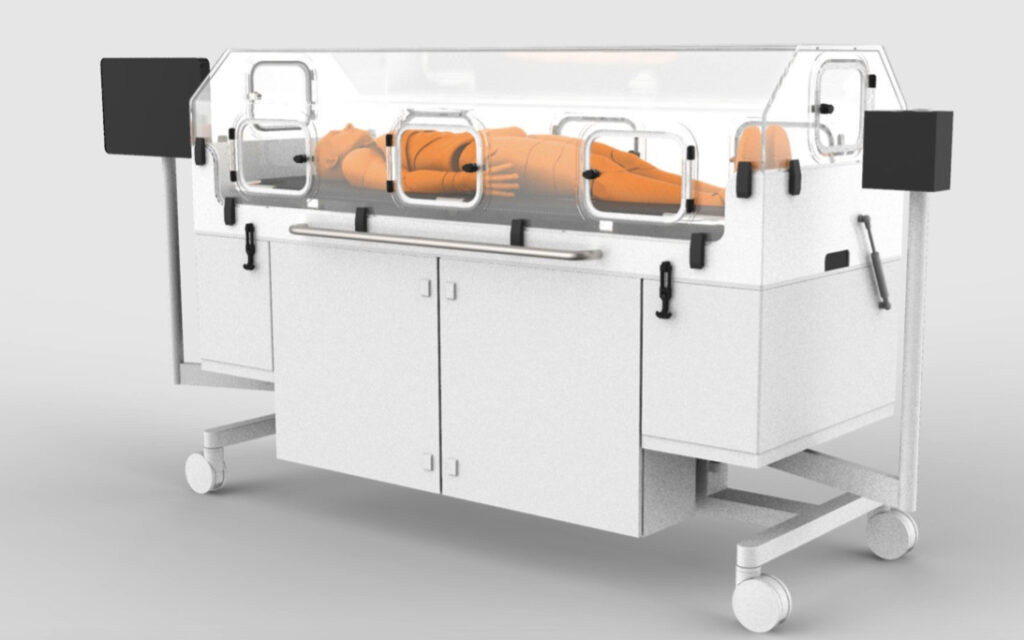
Mechelen, Belgium, 24 March 2020 – The coronavirus has brought the whole world to a standstill. The Belgian company ElmediX wants to contain the virus with intensive heat treatments for corona patients. Controlled heating to 41.5 °C for three hours can inactivate the virus and activate the patient’s immune system. ElmediX has launched a call to researchers and doctors and makes the technology available in the fight against the coronavirus.
Gates Foundation commissions large coronavirus study from KU Leuven

The Bill & Melinda Gates Foundation is to provide samples of 15,000 therapeutic molecules to the Gasthuisberg hospital at the University of Leuven, to aid research into therapies to combat the coronavirus COVID-19, De Standaard reports.
VIB achieves important milestone in the development of a COVID-19 drug
Earlier this year, the lab of Xavier Saelens (VIB-UGent) announced the discovery of a unique antibody that is capable of binding the virus that causes COVID-19 (SARS-CoV-2). The antibody was developed in collaboration with two research groups in the US. The team has now established that the antibody can neutralize a lab variant of the virus, an important step forward in the development of a potential antiviral drug against the new coronavirus. This progress was made possible thanks to the intensive efforts of various teams in the VIB-UGent Center for Medical Biotechnology.
Augustine Therapeutics: bridging the valley of death with VIB Discovery Sciences
Augustine Therapeutics is one of VIB’s latest spinoffs, developing a first-in-class drug for Charcot-Marie-Tooth disease. The company recently announced a seed-funding round of €4.2 million, led by V-Bio Ventures. We spoke to several of the key persons in Augustine about how the startup is tackling the “Valley of Death”: the no-man’s-land between academia and industry where many potential therapies often fail.
Could tick saliva help save lives?
The biotech Bioxodes is using a molecule derived from tick saliva to stop blood clots. The Walloon company is focused on preventing thrombosis during procedures involving medical devices. The current gold-standard anticoagulant can cause unwanted bleeding and side effects; could a molecule derived from ticks really be safer?
Battling antibiotic resistance: new strategy targets bacterial slime

Researchers have developed a new antibacterial strategy that weakens bacteria by preventing them from cooperating. The method involves attacking the protective biofilm produced by the whole bacterial colony, rather than the individual bacteria themselves. Because this results in non-resistant bacteria outcompeting their antibiotic resistant neighbors, the strategy does not promote the development of further resistance.
How business models shaped our current drug development trends
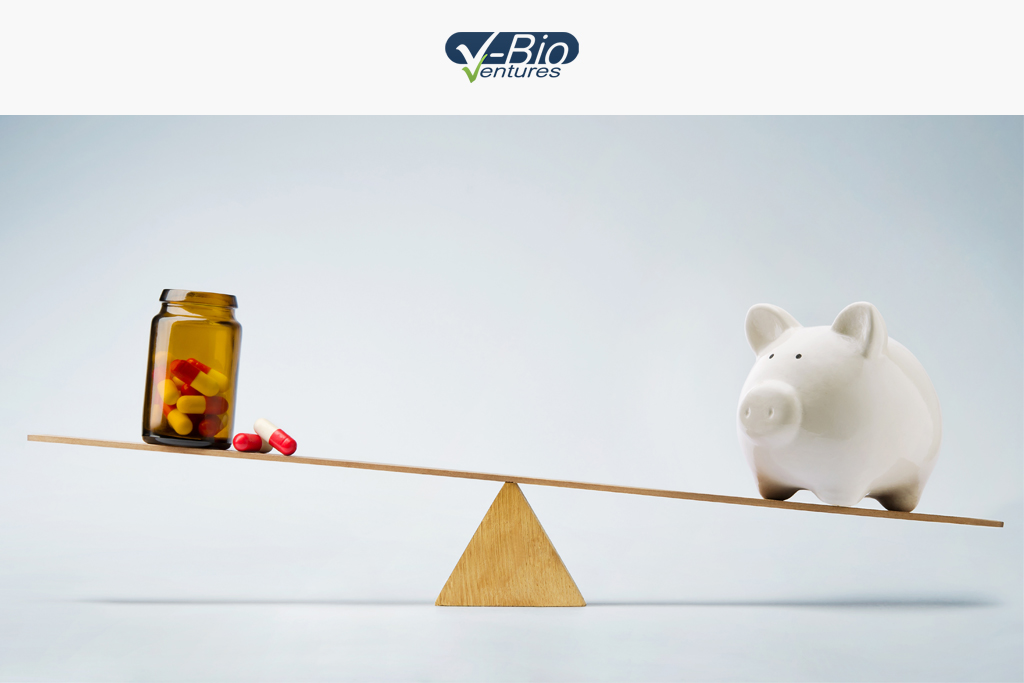
With the soaring cost of drugs for rare indications, many biotech and pharmaceutical companies are focusing R&D efforts on orphan diseases. Will the pendulum swing back towards more common maladies? When will the price of drugs start to fall? In this month’s VC views, V-Bio Ventures examines the current business model for rare diseases.
Magic mushrooms in modern medicine

More than 75 years after the initial discovery of lysergic acid diethylamide (LSD), psilocybin and other natural psychoactive drugs, and their initial exploitation by the western pharma industry, these substances have seen a recent revival in clinical research. Although banned in the notorious “War on Drugs” initiated by US President Nixon, the potential medicinal applications of these substances are finally being explored again, particularly for treating depressive disorders and other mental diseases. This article aims to shed light on a topic we highlighted before in this series – anti-science in biotech – to illustrate the consequences of research being abandoned, as well as the opportunities and additional challenges to making these substances finally available for patients in need.
The million-dollar question: How much do you charge for a lifesaving drug?
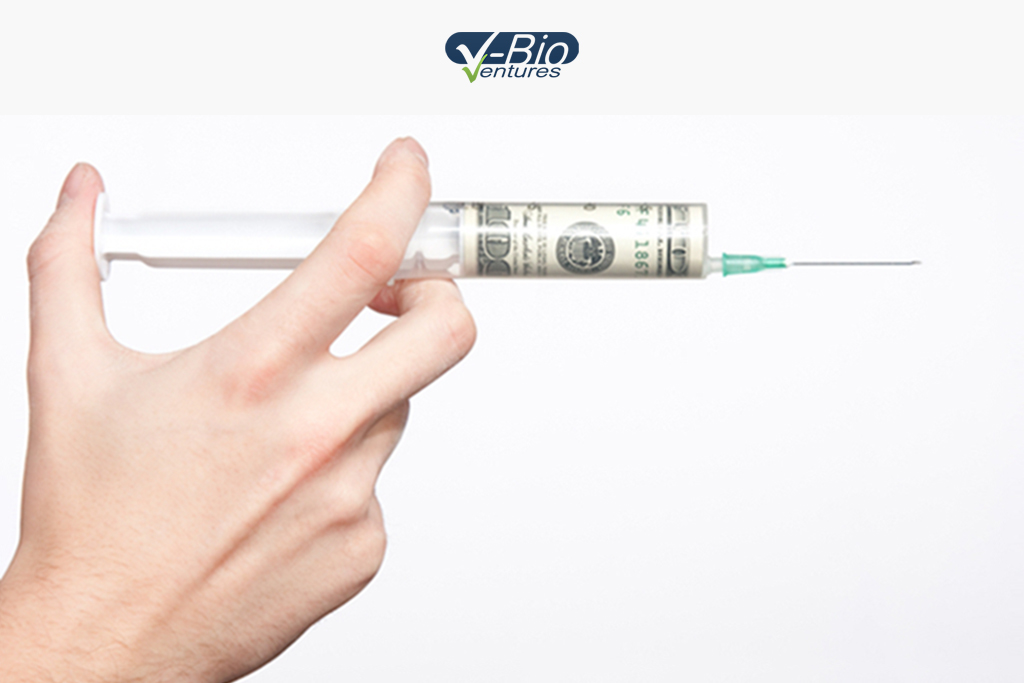
The newest generation of ground-breaking gene therapy drugs, Zolgensma and Zynteglo, come with eye-catching price tags of more than a million dollars per treatment. Is the pharma industry recklessly overstepping a line here, or do they fall within current standards of value-based drug pricing? With more of these drugs soon to be rolling out of pharma pipelines, the stakes are rising high for patients, industry, governments, health insurance companies, as well as investors. It all warrants a deeper dive into the case.
How do we reduce the high cost of clinical trials?
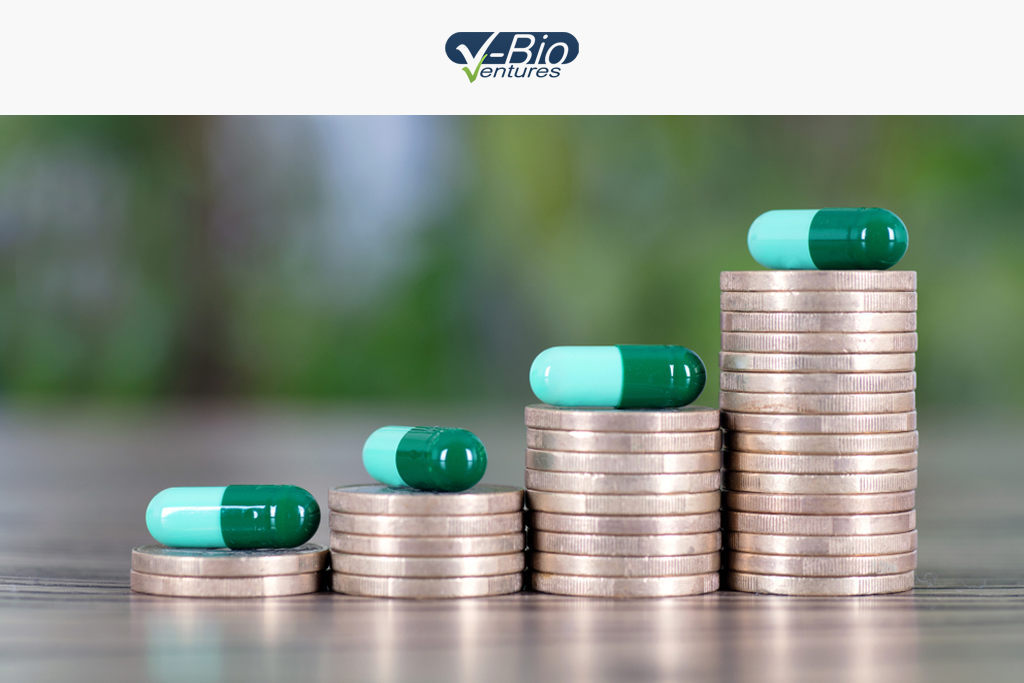
Drug development is an exorbitantly expensive endeavor. A large expense factor for developing a new therapy is the high cost of conducting clinical trials. Why are clinical trials so insanely expensive to run? And what can be done to increase the affordability of these trials?
Living on the edge: the challenge of doing things differently in cell therapy

Belgian company Celyad is a trailblazer in oncology: its T cell therapies based on NK receptors are cutting edge even for CAR-T. At the Science for health event in September the visionary Christian Homsy, former Celyad CEO, will be presenting one of the keynote talks. In this BioVox interview, we asked him to share his thoughts on the challenges faced by a company that’s pushing boundaries in the oncology space.
Confo Therapeutics and DyNAbind announce drug discovery collaboration to identify novel GPCR-modulating compounds
Ghent, Belgium, and Dresden, Germany – 3 July 2019 – Confo Therapeutics, an emerging drug discovery company, and DyNAbind GmbH today announce a drug discovery collaboration on an undisclosed G-protein coupled receptor (GPCR). The collaboration will combine ConfoBodyTM-enabled GPCRs with DyNAbind’s Dynamic DNA-encoded Library for the discovery of small molecule GPCR-modulating compounds. Under the terms […]
Miracle microchips improving cell therapy manufacturing
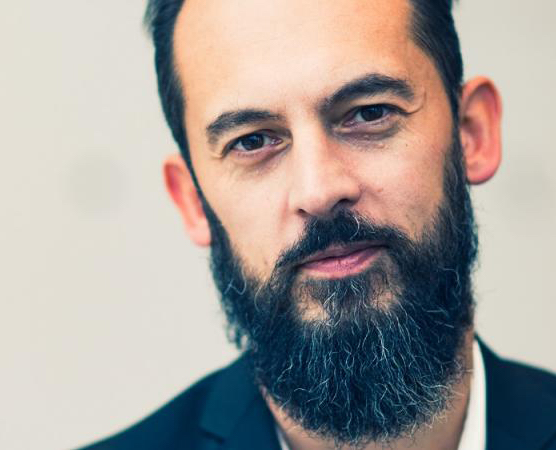
A microchip engineer might seem like an odd fit for a keynote speaker at an event focused on cell therapy, but at Science for health Peter Peumans will be presenting one of the day’s visionary talks. Peumans will draw on his experience with the tech powerhouse imec to give us an insider’s perspective on the role new chip technologies may soon take on in the cell therapy field.
OCTIMET Oncology tackling cancer with a new captain at the helm
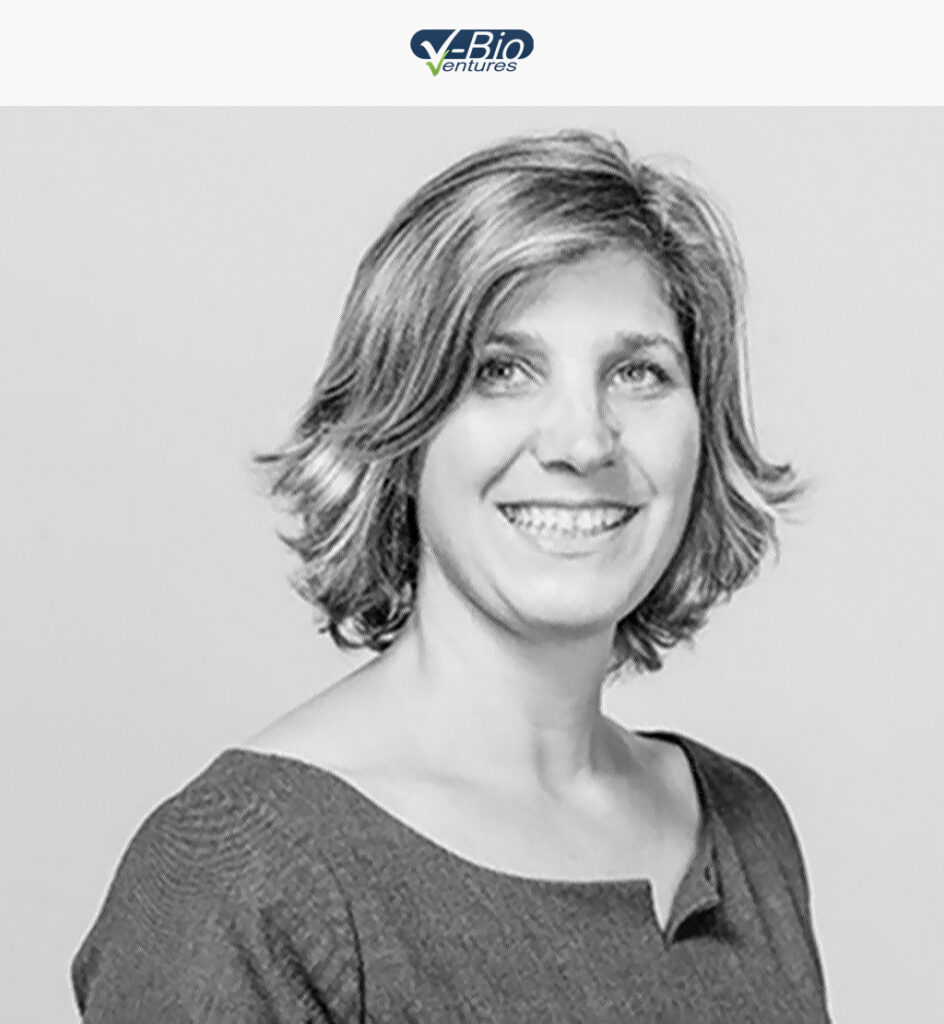
In this article, V-Bio Ventures introduces one of their portfolio companies, OCTIMET. This Belgian oncology startup just added a new member to its executive team, with the appointment of Shelley Margetson as CEO. It’s exciting times for OCTIMET, who are gearing up for a series B with their sights set on potential partners in China.